

Africa's Digital Infrastructure Opportunity
Digital infrastructure presents a ripe and often underappreciated investment opportunity in Africa. According to the International Finance Corporation and Google, the continent’s internet economy has the potential to add $180 billion (£142 billion) to Africa’s GDP by 2025 – and there is a need for robust digital infrastructure to support this growth. The COVID-19 pandemic served as a powerful catalyst in this regard, intensifying the demand for enhanced digital infrastructure across the continent as internet usage surged and governments worked to close the digital divide.

Investing in Africa’s Digital Future: A Conversation with Africell
Africa is on track to be the second-fastest growing region globally – trailing only Asia – with generally stable macroeconomic fundamentals. However, challenges persist due to currency depreciation, high debt levels, and a funding squeeze amplified by tighter monetary policies. Nevertheless, the continent is perhaps more resilient to economic headwinds than ever before, with African countries aligning trade and investment policies behind the African Continental Free Trade Area and implementing prudent macroeconomic policies to navigate uncertainty.
Harnessing Africa’s Mining Potential
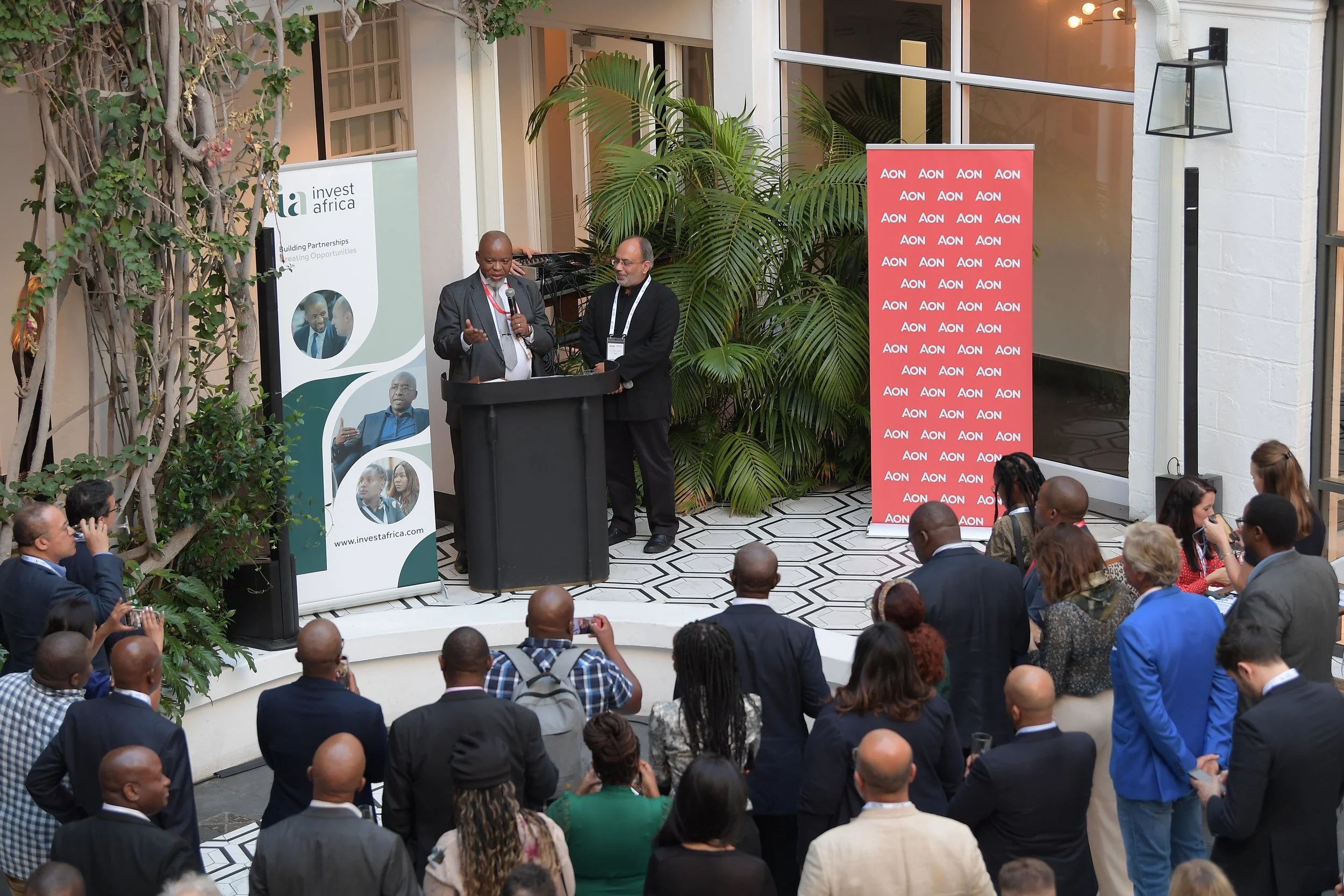
Our 10th Annual Mining Series took place in Cape Town from 6 - 8 February, and it was a fantastic week of meeting our members, making new connections, and together championing the importance of Africa’s mining industry.
Mining’s Role in the Green Energy Transition
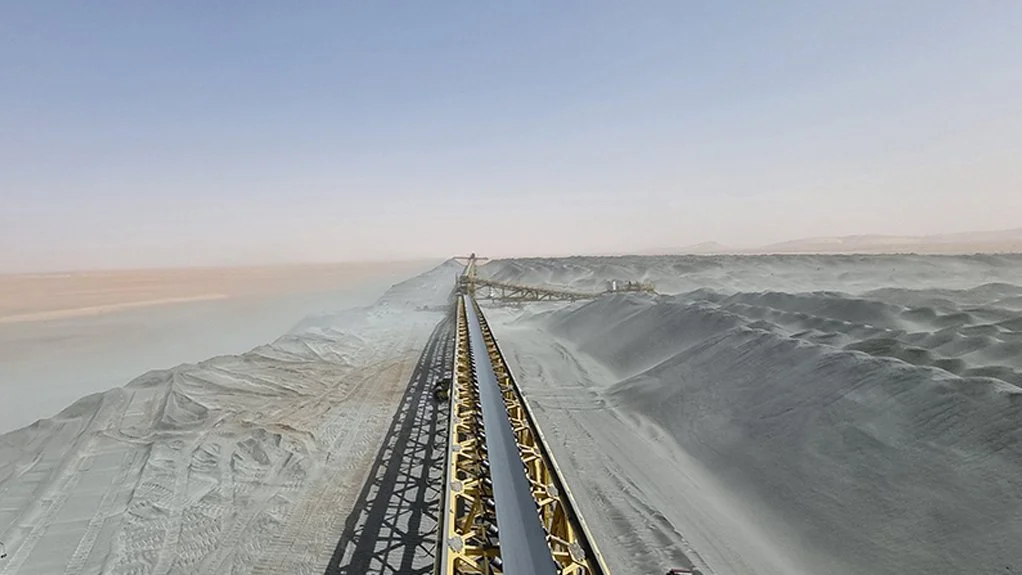
Thirty percent 30% of the world’s mineral deposits, including those critical in the manufacturing of green technologies are scattered within Africa’s soils. The DRC producedes 70% of the world’s cobalt, Zambia is the second largest producer of copper and South Africa holds the largest share of manganese reserves. While the outcomes of COP27 have yet to live up to its name of “implementation”, one point was made clear: greenwashing will not be tolerated.

Invest Africa appointed to the Kenya National Investment Council
London, UK, 6th December – Karen Taylor, CEO of Invest Africa, a leading business network promoting trade and investment in Africa, is appointed as a member of the National Investment Council by H.E. William Ruto, President of Republic of Kenya, in the Kenya Gazette.

Africa must chart its sustainability ambitions at COP27
The continent has to be enabled to escape the worst fallout, build resilience and be compensated fairly, while benefiting from opportunities.

COP27: An opportunity to spotlight African voices in the green energy transition
Although Africa faces a disproportionate burden, it is in the continent’s best interest for its leaders to engage with other world leaders directly and actively on environmental problems, to bridge the gap between developed and developing nations.
African leaders call for greater global equity at the UN General Assembly
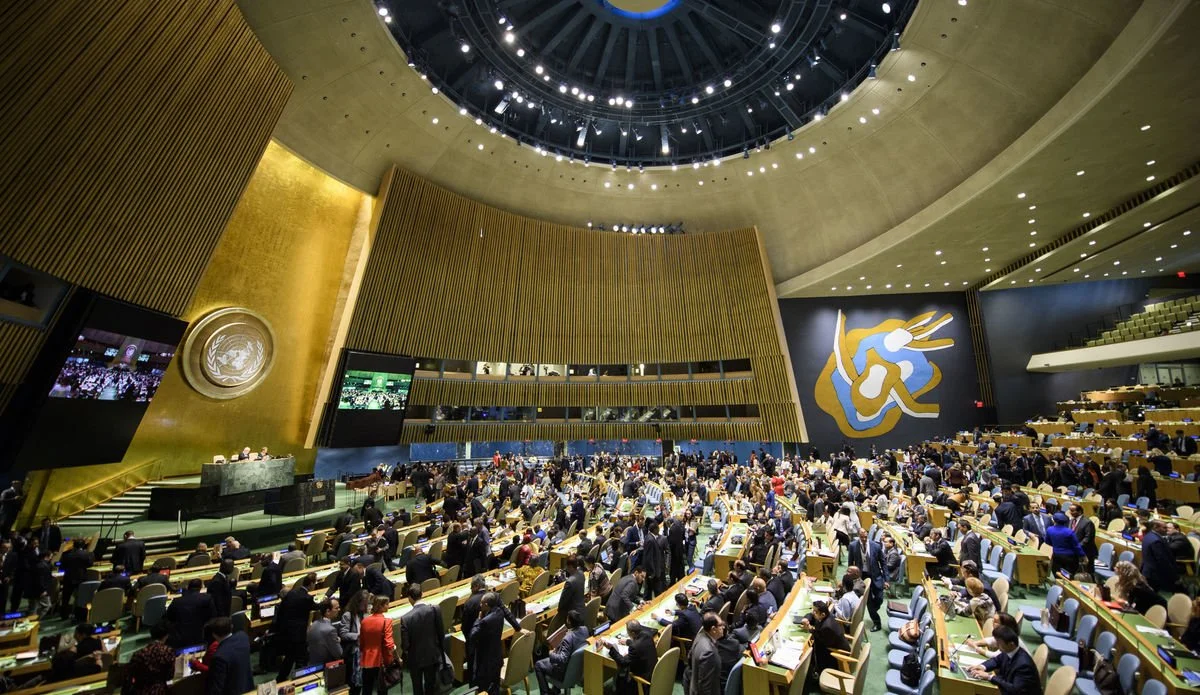
Over the last two weeks, global leaders gathered in New York for the 77th United Nations General Assembly under the theme, “"A watershed moment: transformative solutions to interlocking challenges". African leaders took the opportunity to highlight that the continent once again finds itself at the sharp end of these interlocking challenges and therefore must have seat at the table in outlining solutions.

A look to the future: Litigation risks faced by the financial sector in relation to ESG statements
With increasing public and regulatory scrutiny of claims by companies about their ESG achievements, it is essential that these are accurate, well-founded and backed up with data.
The Africa Risk-Reward Index 2022: Opportunity through uncertainty
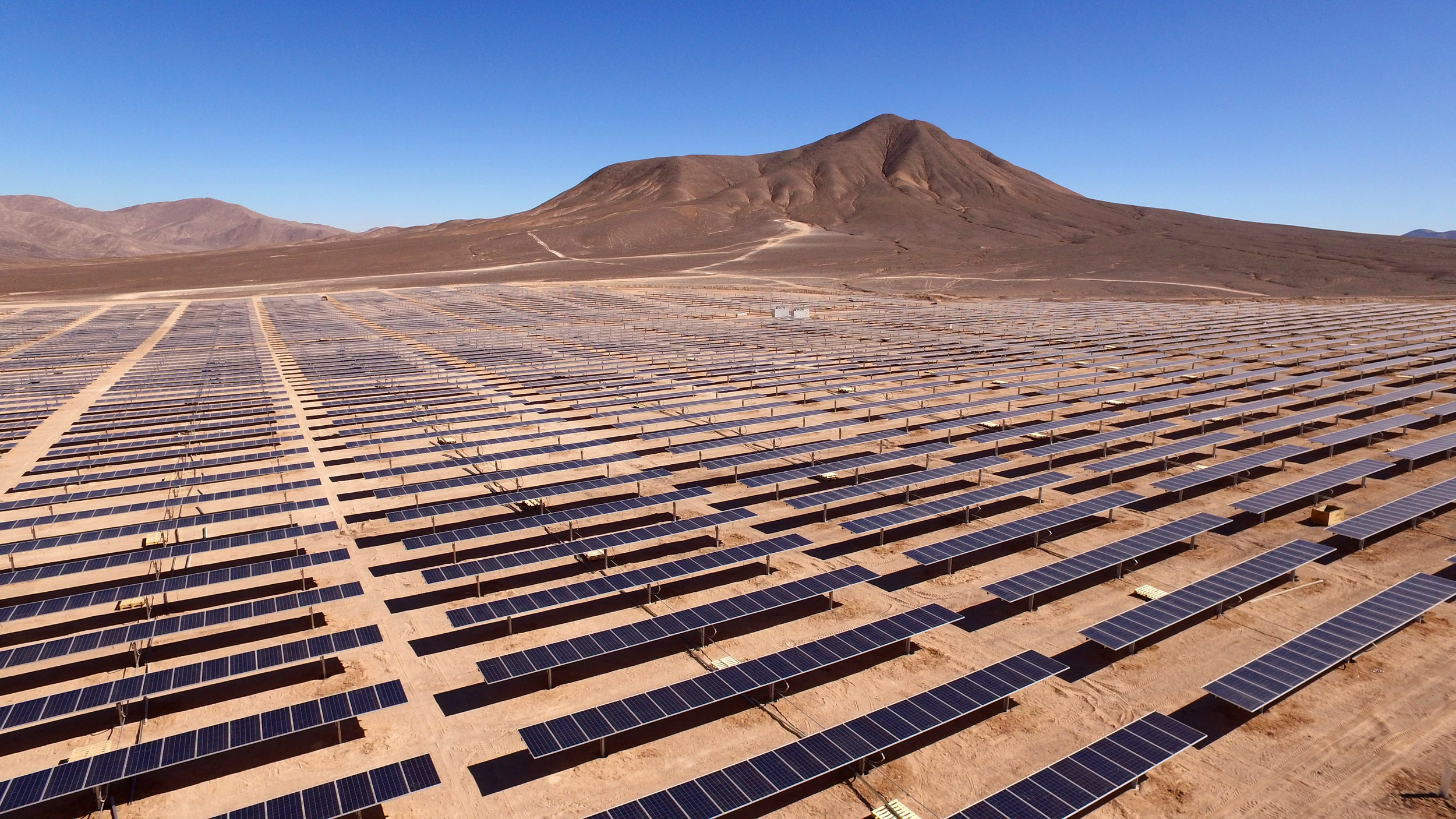
Control Risks and Oxford Economics Africa are pleased to launch the seventh edition of the Africa Risk-Reward Index. The index illustrates the evolution of the investment landscape in major African markets and provides a grounded, longer-term outlook of key trends shaping investment in these economies.

Improved US-Africa Cooperation Enhances Mutual Growth Prospects
From the highs at the start of the previous decade catalysed by the commodity boom, US-Africa trade has fallen sharply, effectively halving in the ten years since. This is reflective of a US policy towards the continent, which has not sustained the active engagement of trade and investment experienced in the 2000s. With significantly less focus on economic development, the vacuum has increasingly been occupied by investment from the developing world, spearheaded by China.

Invest Africa announces rebrand
Invest Africa has undergone a rebrand, reflecting its commitment to building trusted partnerships across the continent, and globally, with the shared goal of achieving sustainable development in Africa. The new identity represents Invest Africa’s continued engagement with an increasingly dynamic business environment.

How can Africa Harness its Demographic Dividend?
Africa’s people are one of the continent’s greatest strengths, but without sufficient investment in skills, jobs and financial inclusion the continent’s rapidly growing population could undermine the region’s development. With a current median age of 19.7, Africa is the youngest continent globally and expected to be home to over 2 billion people by 2050, representing 1/3 of the global workforce.

What is Africa’s Role in the Global Race to Net-Zero?
Africa contributes less than 4% of global greenhouse gas emissions and yet is suffering some of the most severe impacts of climate change. The continent’s rivers are drying up, rain patterns are changing and crop yields diminishing – all of which threaten lives and livelihoods in the region.
How Can Africa Be More Competitive?
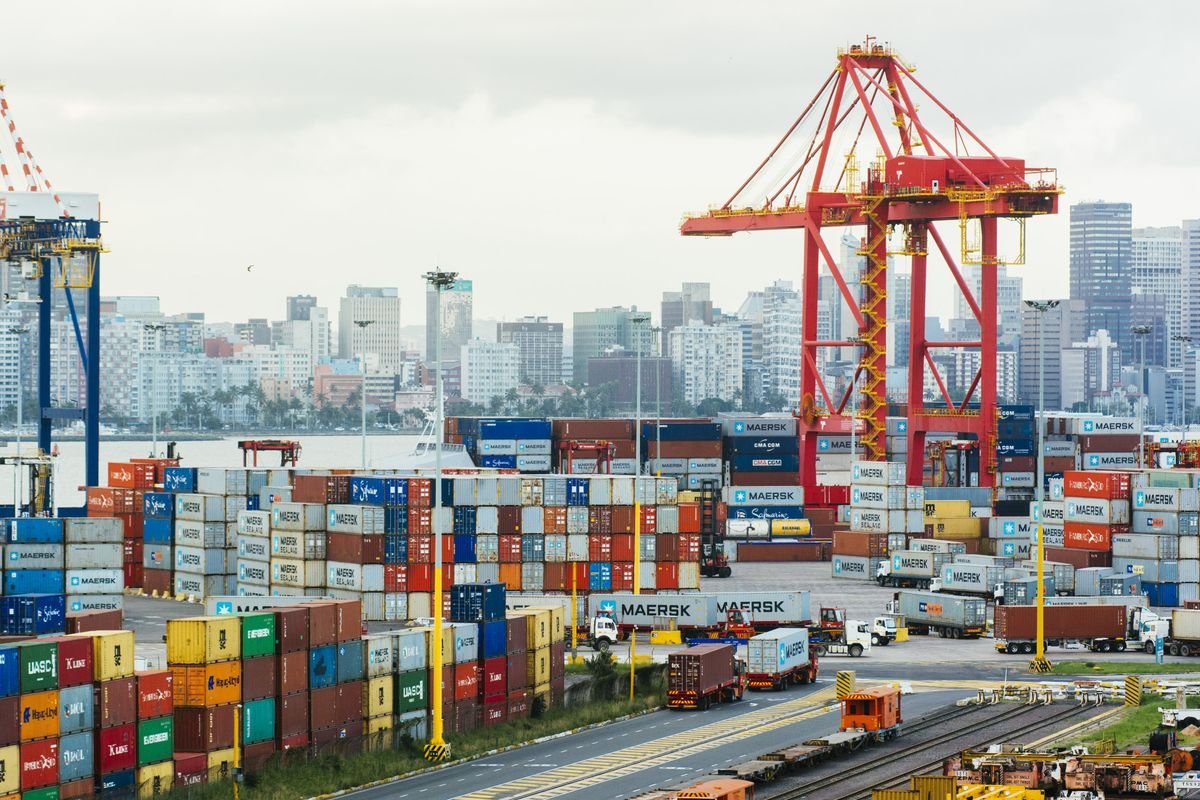
In times of high volatility, as the global economy is currently experiencing, capital tends to retreat to markets closer to home. Africa’s funding gap is such that private capital, both domestic and international, will have to fill the bulk of the region’s development needs.

Africa’s Role in a Time of Geopolitical Turmoil: A Conversation with Control Risks
With the Russia-Ukraine war compounding international supply chain issues and driving up inflation, the global economy has emerged from the pandemic into what is beginning to feel like an endemic crisis. We sat down with Nick Allan, CEO of Control Risks, after the Africa Debate to discuss his assessment of how Africa will be impacted by these global trends.

Europe and US must do more to assist Africa’s development
Rt. Hon. Mark Simmonds, Chairman of the Invest Africa Advisory Board wrote a letter to the Financial Times in response to an article on Russia embarking charm offensive with governments across Africa. In it, he argues that Russia and Sergei Lavrov having found “signs of friendship” in Africa in recent months is a worrying sign of a dilution of European influence in Africa. In response, the west need to engage more meaningfully, across multiple areas, to assist Africa’s development.

The Africa Report 2022/2023 by Knight Frank
Knight Frank’s ultimate guide to real estate market performance and opportunities in the world’s most exciting continent is out now.
The 2022/23 Africa Report boasts coverage of property markets in 22 countries, including three market insight articles examining some of the most pressing issues facing real estate markets around the continent.
Breaking down barriers: innovation in Africa’s financial services sector
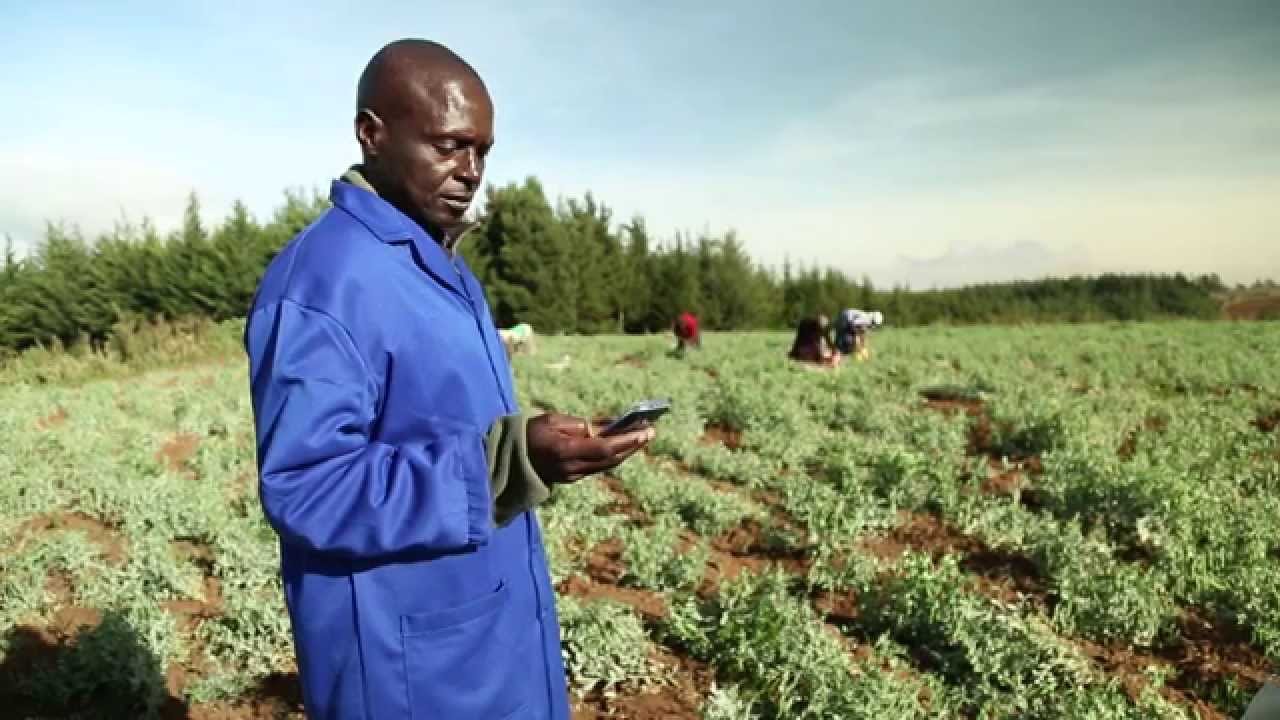
The Covid-19 pandemic has accelerated a digital evolution in Africa’s banking sector.

White Paper: Opportunities for UK-Africa Trade & Investment in a Time of Geopolitical Flux
Africa has substantial economic potential and the opportunities for foreign investment and strategic partnerships are on the rise. There is consensus that investment opportunities in Africa are abound, five structural trends - the continent’s youthful population, increasing levels of urbanisation, abundance of resources, depth of financial services and technological infrastructure put Africa in a unique position for robust and resilient long-term international investment opportunities for countries like the United Kingdom.
This Invest Africa and Standard Chartered Bank paper clearly identifies a pipeline of opportunities across the continent. The ambitious AfCFTA, which has promised to set the continent on a stronger and more inclusive growth path is particularly within the interest of British businesses. Support from the region’s key trade partners, including the UK, will be critical to the success of the agreement.