
Workable: Inside the Journey to EDGE—Building for the Future, Not Just for Today
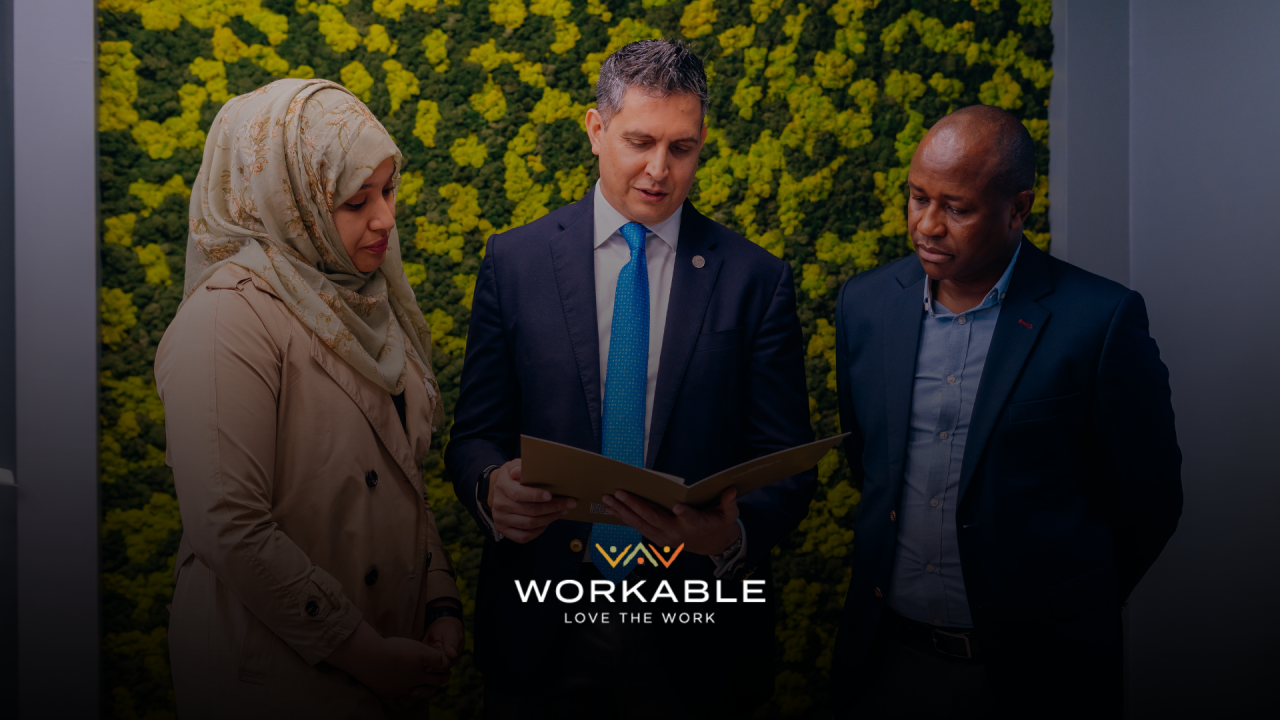
Transformation doesn’t happen overnight. It takes vision, collaboration, and the willingness to make hard decisions today for a better tomorrow. Our journey to becoming the first EDGE Certified co-working space in East and Central Africa reflects that every design choice was a statement of intention.
The EDGE Journey: Start to Certification
From our earliest blueprint discussions, sustainability wasn’t an afterthought—it was a design principle. We worked closely with green building consultants, engineers, and EDGE auditors to evaluate how every decision would affect our environmental footprint. This involved:
Energy Optimization: Use of energy-efficient lighting, natural ventilation, and strategic orientation to reduce electricity consumption.
Water Conservation: Installation of low-flow fixtures and greywater recycling systems to minimize usage.
Material Efficiency: Local sourcing and responsible material choices reduced the embodied carbon in construction.
Challenges We Faced
Committing to sustainable building in a developing context means going against the grain. Costs can be front-loaded. Supply chains can be limited. And understanding EDGE’s requirements demands a shift from the traditional “build fast” mindset to a “build smart” approach.
The Result?
We didn’t just check boxes, we created a new benchmark. Workable now stands as a space where companies can work and grow in alignment with global sustainability goals. EDGE Certification was the outcome. But the real value was in the process, it made us more intentional, more data-driven, and more aligned with the future. If your workspace could tell your sustainability story, what would it say? Let’s build the answer together.