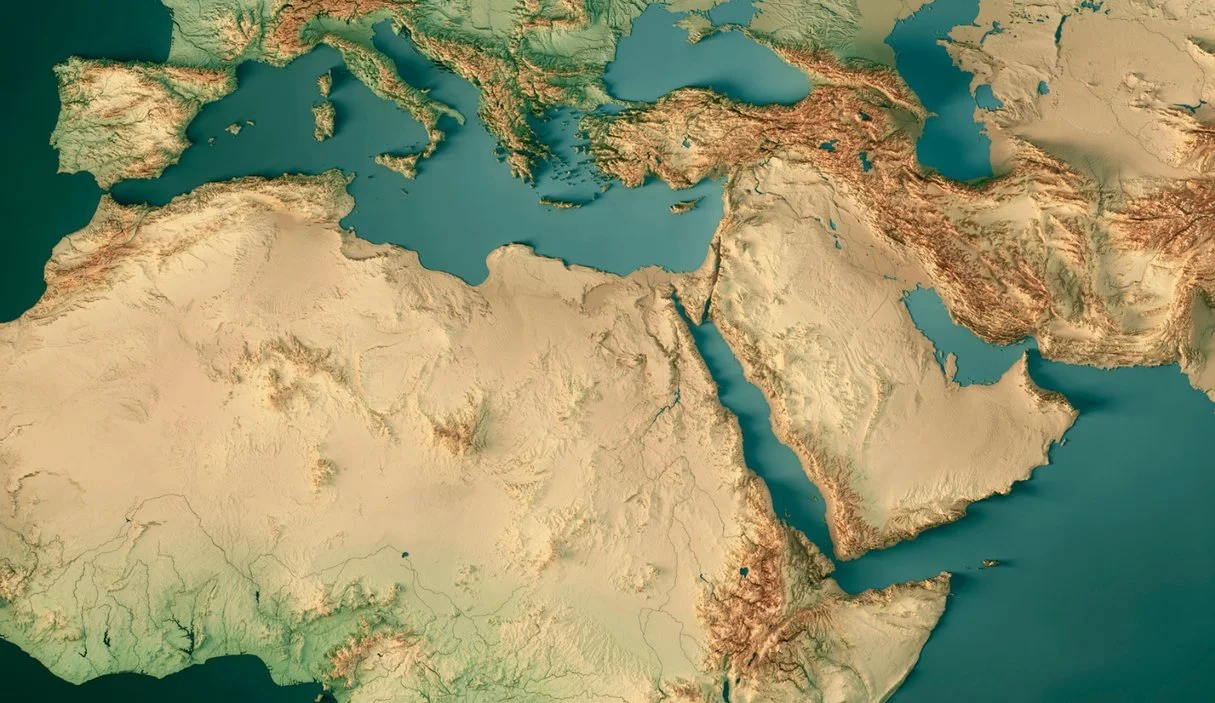
Economic and investment relationships between the Middle East and Africa are being reshaped by economic diversification, shifting geopolitical dynamics and changing global trade patterns. Gulf economies, particularly those of the Gulf Cooperation Council (GCC), are expanding their international investment partnerships, strengthening strategic supply chains and pursuing new sources of growth. Across Africa, opportunities in infrastructure, energy, logistics, manufacturing, agribusiness, financial services and digital infrastructure are attracting interest from sovereign investors, development finance institutions and private capital.
Looking towards 2027, the investment outlook will be influenced by geopolitical developments, energy market volatility, financing conditions and domestic economic reforms. Gulf capital has an important role to play in supporting Africa's development priorities, while African markets offer opportunities for long-term investment, trade diversification and strategic partnerships. However, currency pressures, sovereign debt, regulatory uncertainty, political risk and project bankability will continue to influence investment decisions and the pace of cross-border transactions.
The Middle East–Africa Investment Corridor Outlook 2027 Webinar will examine the economic, geopolitical and commercial forces shaping investment between the two regions, with a focus on where capital is being deployed, emerging opportunities and the conditions required to translate investment interest into commercially viable partnerships.
Key topics of discussion include:
Gulf investment and African market opportunities: Where sovereign wealth funds, state-linked companies, institutional investors and corporates are directing capital across African markets, and how economic diversification strategies and investment priorities may influence capital allocation in 2027.
Trade, infrastructure and regional connectivity: How investment in ports, logistics corridors, transport infrastructure and industrial development can strengthen trade between the Middle East and Africa, support supply-chain diversification and improve access to regional and international markets.
Energy, critical minerals and strategic supply chains: Opportunities across conventional and renewable energy, critical minerals, agribusiness and food security, including how regional partnerships can support industrial development, energy security and long-term economic growth.
Macroeconomic outlook, investment risk and financing conditions: How currency volatility, sovereign debt, financing costs, regulatory frameworks and political risk are influencing investor confidence, project bankability and private-sector participation across African markets.
Geopolitics and the future of Middle East–Africa partnerships: How regional instability, evolving trade relationships and shifting economic alliances could influence capital flows, market access and the investment strategies of governments, financial institutions and corporates in 2027.
The discussion will bring together investors, economists, policymakers and business leaders to assess the 2027 investment outlook, identify emerging opportunities and examine how stronger Middle East–Africa partnerships can support trade, investment and sustainable economic growth.